





During a home sale, it’s not always clear what items belong to the seller and what items stay with the house. Uncertainty on the differences between fixtures and personal property is one of the biggest causes of disappointment for buyers and sellers.
Whether you’re buying or selling a house, you should understand the norms for what stays versus what goes. You should also know what steps you can take to avoid confusion during the sale.
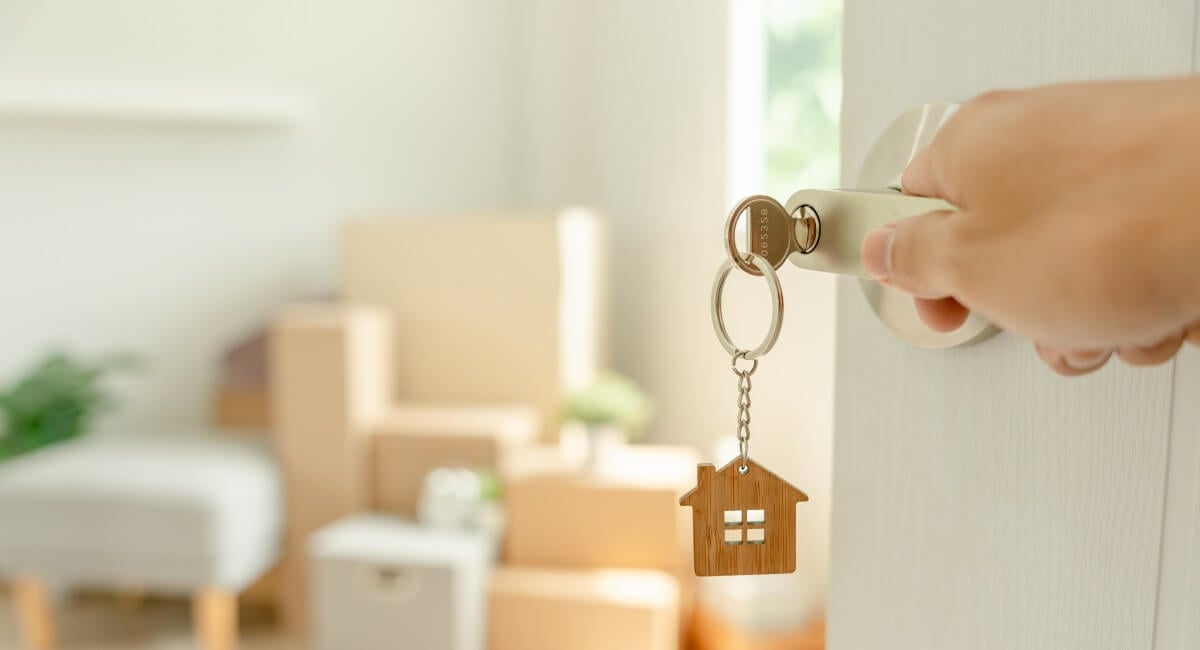
What Stays With the House
The general rule of thumb in real estate is that all permanently attached items are considered home fixtures, which means they stay with the house. The following are the most common fixtures that are included in home sales:
Appliances
Built-in appliances that are wired into the home’s electrical system will almost always stay with the property. This might include an oven, stove, dishwasher, or built-in microwave.
Freestanding appliances, which can simply be unplugged and moved, may be considered the seller’s personal property. However, the norms for appliances can vary depending on your location.
Built-In Fixtures
Built-ins can include cupboards, wardrobes, vanities, countertops, or other storage spaces that are permanently attached to the house. Because they’re bolted in, they’re considered fixtures.
Fireplaces
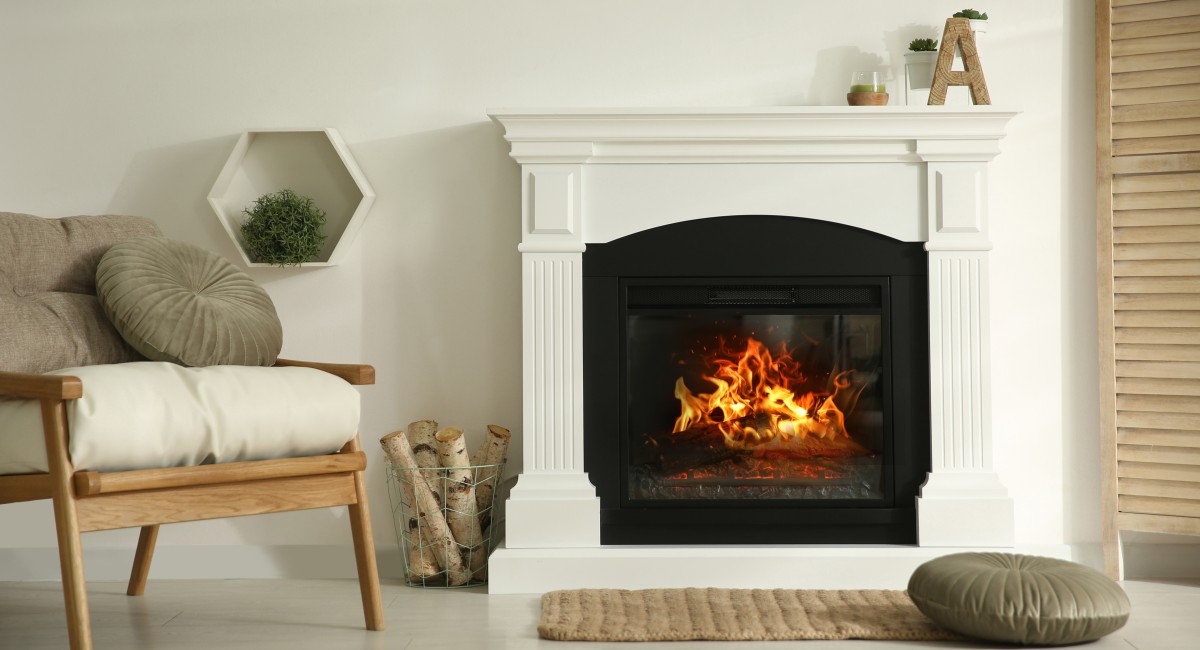
A built-in fireplace or pellet stove will typically stay with the house. However, free-standing electric fireplaces will remain with the seller unless stated otherwise in the purchase agreement.
Attached Structures
Attached outdoor structures could include fixed sheds, garages, or pergolas. These structures are permanently attached to the ground, which means they stay with the house.
Landscaping
Most landscaping structures will stay with the home as well. This could include stone paths, walls, trees, and shrubs. Small lawn decor items, on the other hand, are considered personal property and can be taken by the seller.
Lighting Fixtures
Any lighting that’s hardwired into the home’s electrical system will stay in the house. This includes ceiling fans, pendant lights, and chandeliers.
Window Fixtures
Many sellers are surprised to learn that blinds, shades, and sometimes curtain rods are expected to stay with the home after the sale. These are usually considered permanent fixtures, so they’re included in the purchase.
Smoke Alarms
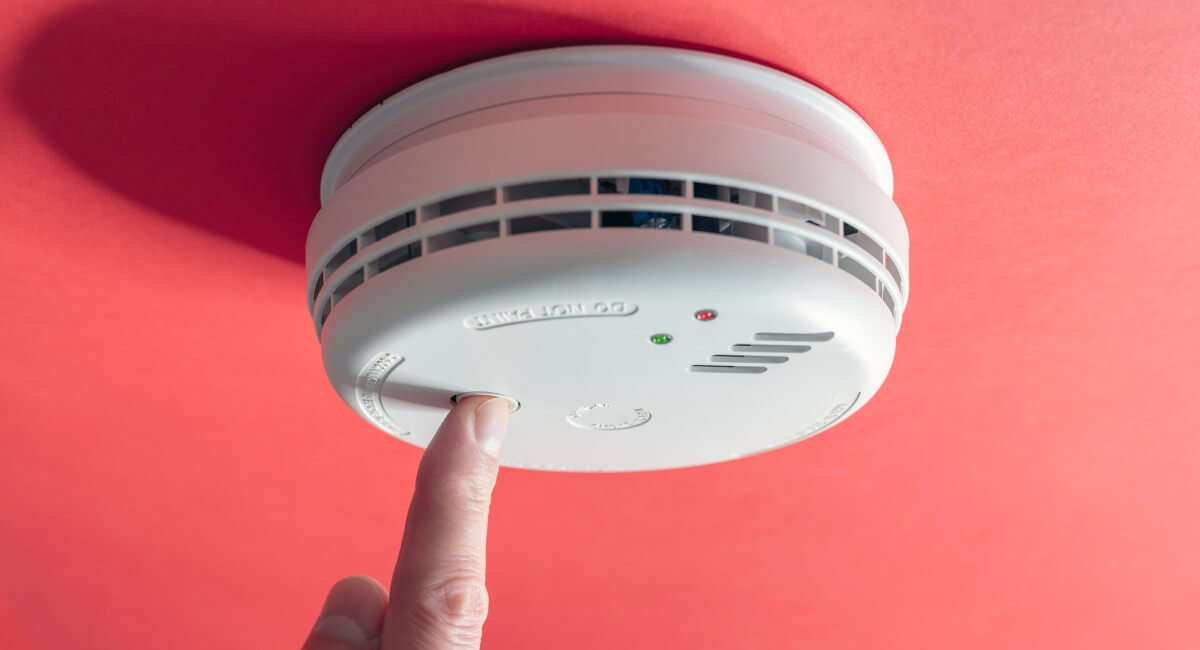
Most smoke alarms, carbon monoxide detectors, and sprinklers are hardwired into the house, which means they’re included in the sale of the home.
Security System
Security systems vary in their setup, so some of them are considered fixtures and others are considered personal property. Systems that are hardwired into the house will stay with the buyers. Wireless systems, like a Ring doorbell camera, are typically considered personal property.
Mounted Mirrors
Mirrors that are bolted to the wall, like a bathroom vanity, should stay with the home after closing. However, mirrors that are hung on the wall for decor belong to the seller.
Mounted Shelves
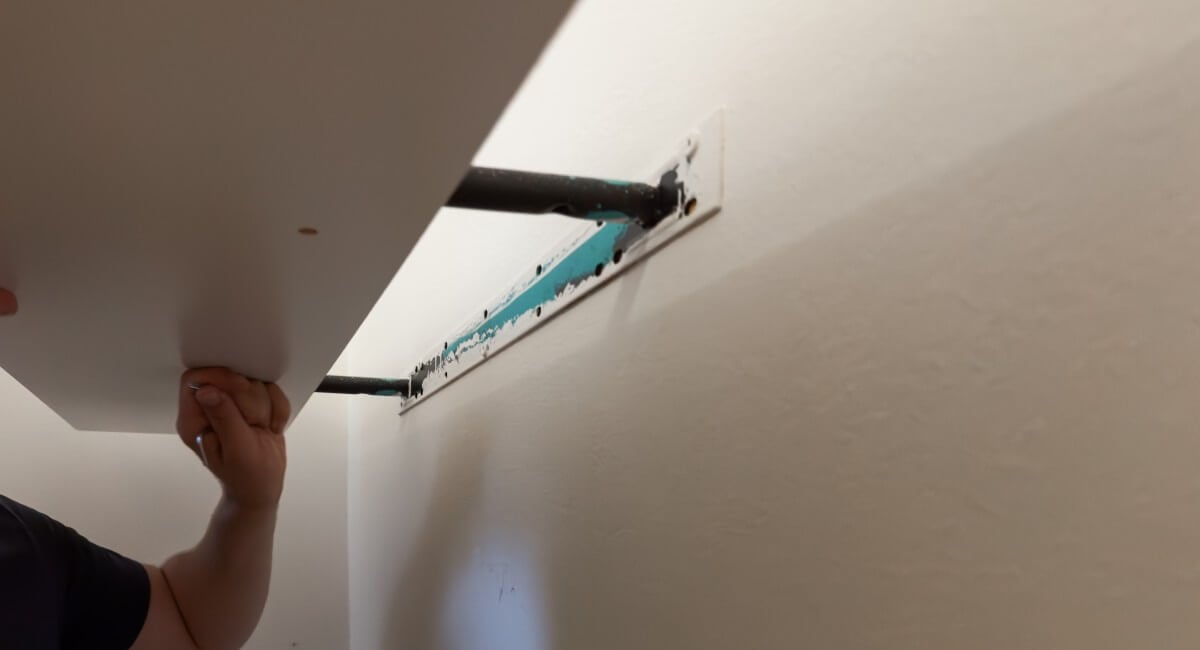
Similar to mirrors, floating shelves that are mounted to the wall and built-in bookshelves are fixtures that are included in the home sale. Freestanding shelves are considered furniture that belong to the seller.
Hardware
Hardware includes doorknobs, cabinet handles, toilet paper holders, towel bars, hooks, and other small fixtures that are bolted to the walls, doors, or cupboards. These items are part of the house and should remain with the buyer.
What Leaves With the Sellers
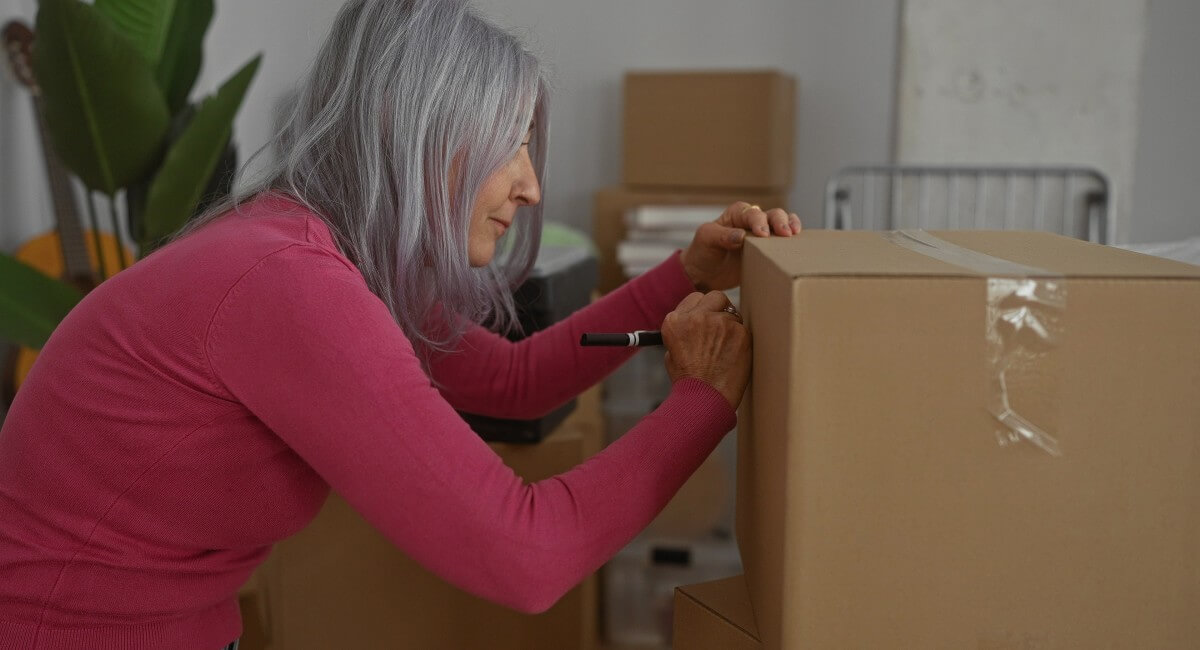
Freestanding items that aren’t attached to the house are usually considered personal property, meaning they belong to the sellers after the home sale. The following are some examples of personal property that you should expect the sellers to keep after closing:
Furniture
Unless stated otherwise in the purchase agreement, freestanding furniture is the seller’s personal property. The only exception is furniture that’s built into the house, like a built-in bookshelf or wardrobe.
Electronics
Any electronics that aren’t hardwired into the home will likely leave with the sellers. The sellers may leave the TV mount because it’s bolted to the wall, but they’ll take their TV. Overhead lights, smoke alarms, and other systems that are directly wired into the home will stay, though.
Curtains and Rugs
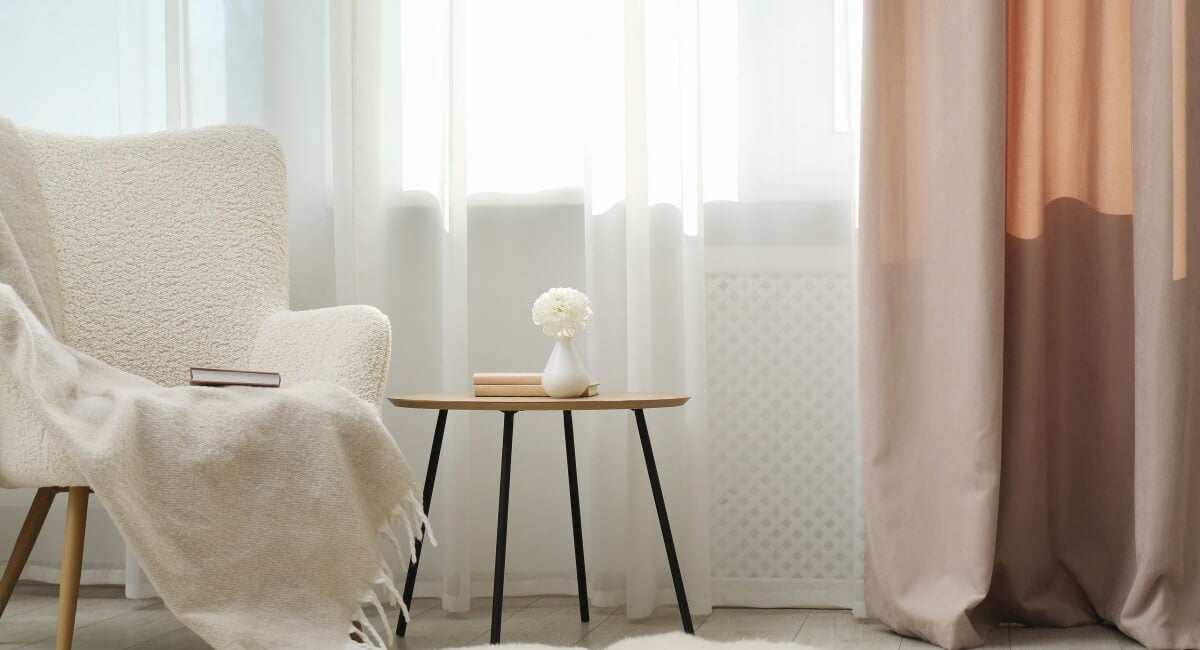
While blinds and curtain rods may be considered fixtures, the curtains themselves are almost always considered personal property. Area rugs are also the seller’s property because they can simply be picked up from the floor.
Lawn Equipment
Small lawn decorations, lawn mowers, and other tools belong to the seller unless the purchase agreement says otherwise. These items aren’t fixed to the house, so they’re considered personal property.
How to Avoid Confusion When Buying or Selling a Home
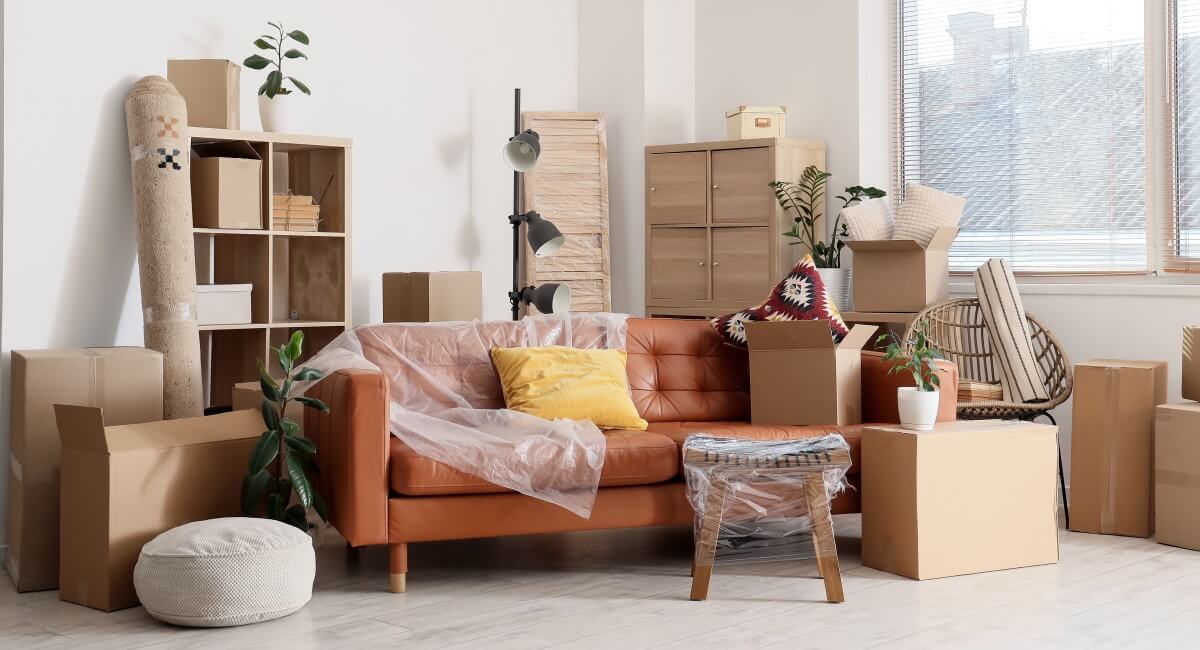
Although there are standard rules for what stays and what goes during a home sale, some items fall into a gray area that can cause confusion. For example, a freestanding refrigerator could be considered personal property that belongs to the seller because it’s not built into the house. However, many home buyers would expect the fridge to stay.
Whether you’re a buyer or a seller, being proactive in understanding what stays in the house is the key to preventing disappointment.
Tips for Sellers
As a seller, the best way to avoid confusion is to clarify everything in writing. Don’t rely solely on the norms, as these rules are sometimes open to interpretation. Make sure everything you plan to leave in the home is included in the purchase agreement. This includes appliances, fixtures, landscaping, and anything else staying behind, no matter how small.
You should also consider what will be appealing to buyers when deciding what to keep and what to leave. For instance, a custom-fitted spice rack in the kitchen could be considered your personal property if it’s not bolted into the wall. If it was specially made for the space, though, offering it to the buyer might make for a more enticing deal.
Some items can be useful for negotiating, too, especially if you know the buyer has an interest. For example, a freestanding electric fireplace is your personal property, but if the buyer loves it, you could offer it to them in exchange for better terms on the deal.
Tips for Buyers
As a buyer, the best way to avoid confusion is to ask and never assume. The seller’s agent should be able to tell you exactly what will stay in the house and what will leave. Ask plenty of questions during the showing so you can make a competitive offer.
Your agent should include all of the appliances, fixtures, or extras you expect to receive in the home sale in the purchase agreement. If something isn’t in the purchase agreement, you can’t guarantee it will stay.
Keep in mind that certain items are negotiable. Even if a seller isn’t obligated to leave something behind, you could ask for it in your offer. It’s not uncommon for buyers to request that area rugs, curtains, or outdoor gear be left behind.

Understanding What Stays and What Goes
While the general rule in real estate is that fixed or bolted-down items stay, you should never rely on assumptions when buying or selling a house. Buyers and sellers alike should consult with their agents about their expectations for what fixtures and appliances will stay with the home. Make sure everything is in writing, and don’t be afraid to negotiate.